
Glass Furniture From CGD Is the Perfect Addition for Your Home Remodeling Project
- At February 15, 2016
- By mike
- In Glass Techniques, Uncategorized
 0
0
When it comes to nice furniture, the materials that probably first come to mind include lush ones like leather, velvet, and other fabrics. While these certainly make an impact, they dull in comparison to the stunning beauty of glass furniture. Much simpler to clean and maintain since you can simply wipe away stains, crumbs, dust, and spills, glass furniture from CGD Glass is an ideal choice for your next home remodeling project. These beautiful tables, entertainment centers, and desks are made of thick, durable glass, making these a wonderful investment.
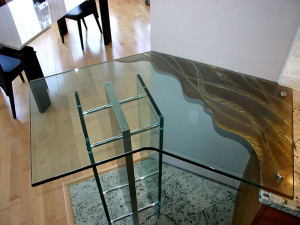
No matter how much space you have, there’s room somewhere in the house or apartment for a glass table from CGD Glass. You can get a simple end table with a round or circular top or you can choose a larger table. Even dining room tables are available. These are anything but boring, as you can choose from smooth transparent glass to various textures like frosted, beveled, and more.
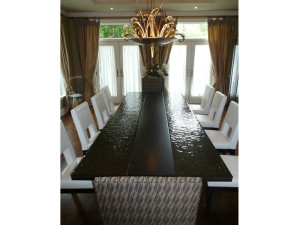
Backpainting the glass provides color and shine. It also lets some glass textures look more easily visible. You can select from whichever glass color best suits your home. At CGD Glass, if you see a glass table that you like but it doesn’t quite fit your needs or your budget, you can customize it to your liking, making alterations to its size, texture, or color. The choice is always yours.
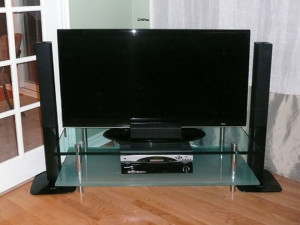
A glass TV stand is a very cool choice. Reinforced with metal hardware, you can pick from frosted glass or transparent glass for this home addition. The simplicity of this glass means that if you’re storing your favorite movies or video games that you can easily see them all. If you’ve fallen in love with glass, an entertainment center with some backpainting will make you the envy of the block. Don’t be surprised if your friends always want to go to your house for a movie night when you can choose vivid backpainted colors like white and red.
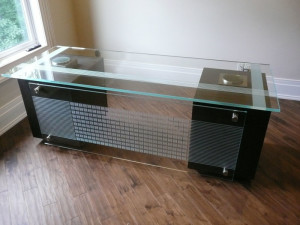
Glass can look very professional, making it the perfect material to use when designing a desk for the home or office. CGD Glass does commercial projects too. A desk made of wood and metal but finished with a translucent glass top will be your new favorite place to hold meetings, chat during a conference call, and get some extra work done. Since glass is so sturdy, feel free to put your laptop, files, and office supplies on this desk.
Ordering glass furniture from CGD Glass is easy. You simply choose which item you want, the type of glass, the size of the product, and all other measurements and send us a message!. Then you will receive a quote and work can begin from there. With glass furniture from CGD Glass, you can liven up rooms without having to gut them and start all over again. A glass table, entertainment center, or desk will be the focal point of the room.
Glass Backsplashes from CGD Glass Are Functional and Appealing
- At February 01, 2016
- By mike
- In Countertops
- 0
Oh no, what a mess! Whether it’s splattered cooking juices or water from your sink, your walls and sometimes even your cabinets take the brunt of the damage from your cooking adventures. Why be forced to clean up these areas each and every time you’re in the kitchen when you can have a backsplash instead? Backsplashing is an extra layer of wood, tile, marble, glass, or any other material that keeps walls safe from liquid seepage. Even better, you can design yours yourself when you order backsplash glass from CGD Glass.
Glass is a durable and attractive material. Cleanup is easy, as you only need a wet paper towel or a cloth to wipe this down after cooking. When shopping at CGD Glass, you can customize all parts of your backsplash, such as the texture of the glass. The scrolls style looks only slightly worn on some parts of the glass for an interesting look. The avalanche style has deeper cuts throughout the glass. The semi-frost sandstorm option is touchably smooth and wavy. You can also opt for the ultra-clear sandstorm glass with even greater transparency. The melting ice style looks like just that.
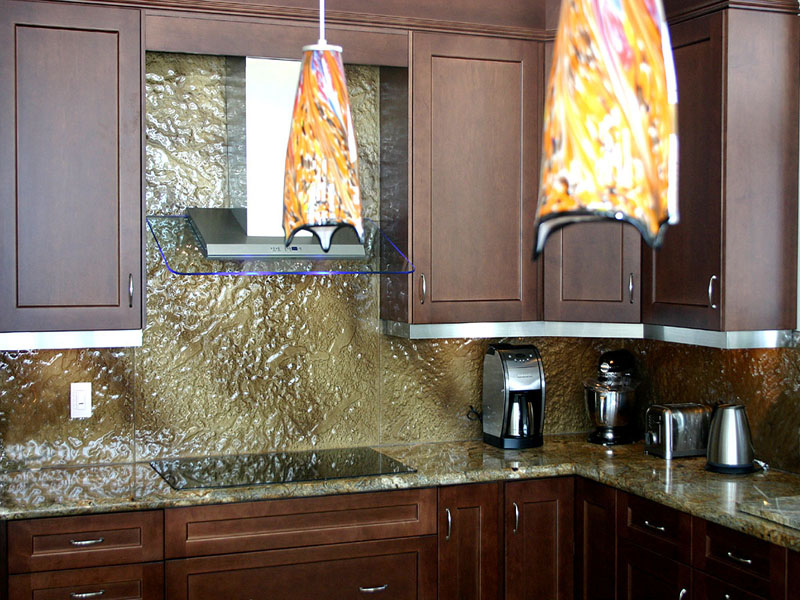
When many people think of glass, they tend to think of it as colorless and just translucent. If you order backsplashing glass that’s at least 1 inch, ¾ inches, or 3/8 inches thick, CGD Glass will gladly let you choose from a rainbow of glass colors that are back-painted for bright vibrancy. If your kitchen is already a certain color, being able to match your backsplashing glass is quite useful. Select from hues like white, silver metallic, red, metallic medium gold beige, jet blue metallic, gray, metallic dark beige, and standard beige.
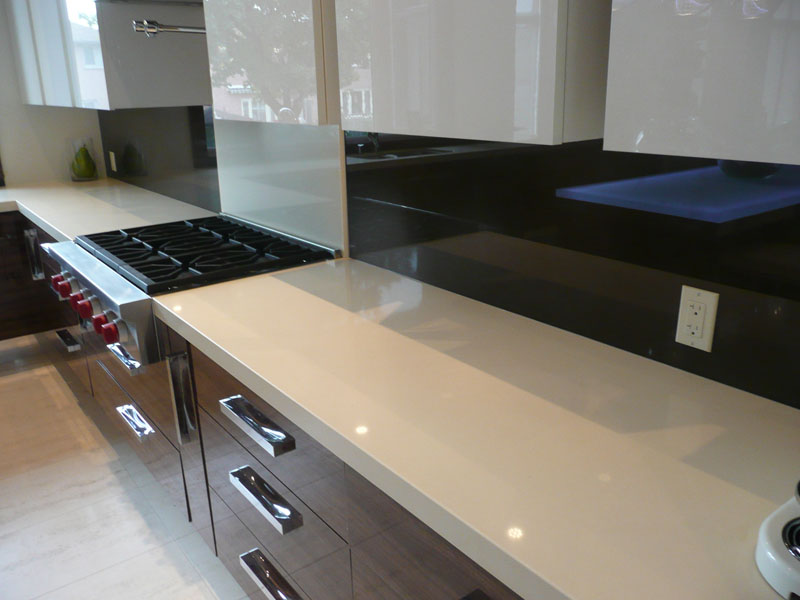
If you want a truly unique kitchen wall, one that will stun family, friends, and visitors, you can also have textured and colorful glass that is sure to impress. The white raised glass has a slightly bumpy texture; you can also get this in silver. Choose from three gold options of various levels of metallic shininess. The crisp dark brown would go with most wood interiors, and the copper would be a nice pop of color against sturdy oak cabinets. Wavy blue is for the truly bold. Those who want more traditional colors may prefer charcoal gray, black, and amber opaque.
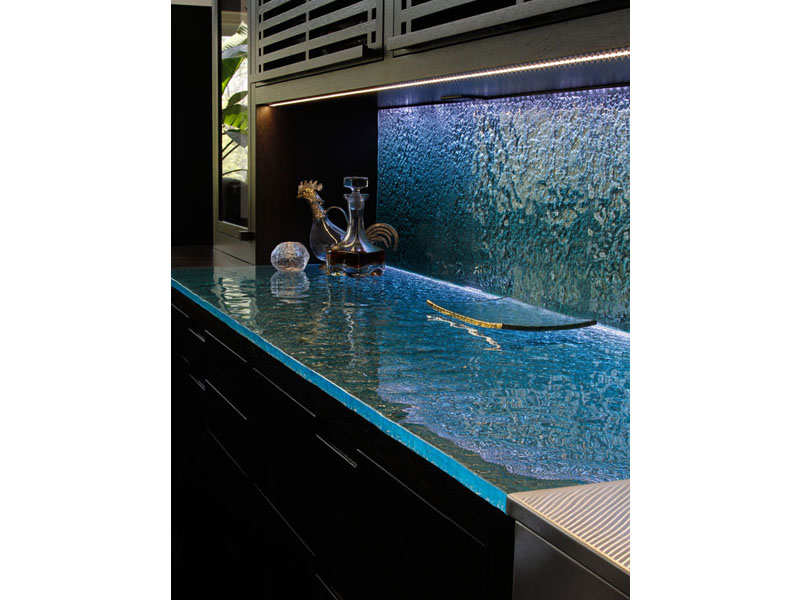
Lastly, you can get an RGB or LED light for your backsplash. Backlighting your backsplash in a colorful, bright glow is a one-of-a-kind touch. If you do a lot of your cooking at night, the light will ensure that you can clean up splashes easily without missing any spots. White lights show off the lovely glass texture that you chose, and color-changing RGB or LED lights subtly shift from one pastel hue to another.
No matter what kind of kitchen you have and what look that you envisioned for your backsplash, it’s possible when you shop at CGD Glass. Stop wasting precious time cleaning your walls after cooking when you can have a beautiful backsplash. Call or email CGD Glass today to start shopping.
5 Interesting Facts About Recycling Glass
- At January 21, 2016
- By mike
- In Uncategorized
- 0
Although we here at CBD Glass do not create recycled glass countertops, we take pride in the fact that all of the glass materials we produce are 100% recyclable. In today’s article we’d like to share 5 interesting facts about the glass recycling industry you may not know!
#1 – Glass can be recycled endlessly without loss in quality or purity!
Unlike many other recyclables like plastic & paper products, glass can continually go through the recycling process and maintain its integrity. This makes glass products one of the most environmentally safe sectors as they are infinitely recyclable.
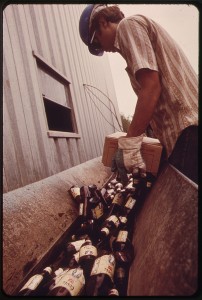
#2 – Glass is 100% recyclable
What does it mean to be 100% recyclable? It means that all parts of the glass products can be recycled! Many other recyclables need to be sectioned to remove parts that cannot be used in the recycling process, while all parts of glass products can be re-used endlessly.
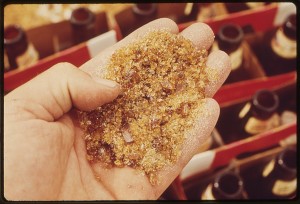
#3 – Recycled glass returns to sand
Recycled glass is processed into a form called “cullet”, which is essentially powdered glass. This cullet resembles sand and is furnace ready recycled glass material used for production.
#4 – More than 1 ton of natural resources are preserved per 1 ton of glass that has been recycled.
This means that quite simply, the production of recycled glass pound for pound saves the same amount of natural resources.
#5 – Over 3 MILLION TONS of recycled glass is purchased annually!
That’s a lot of recycled glass!
Concrete Countertops vs Glass Countertops
- At January 04, 2016
- By mike
- In Countertops
- 0
The increase in popularity for different countertop materials is well under way and two of the most trending materials are concrete & glass. Let’s take a look at some of the pros and cons of both materials:
[divider] [/divider]
Concrete Countertops Pros & Cons
[one_half]
[/one_half]
[one_half_last]
[/one_half_last]
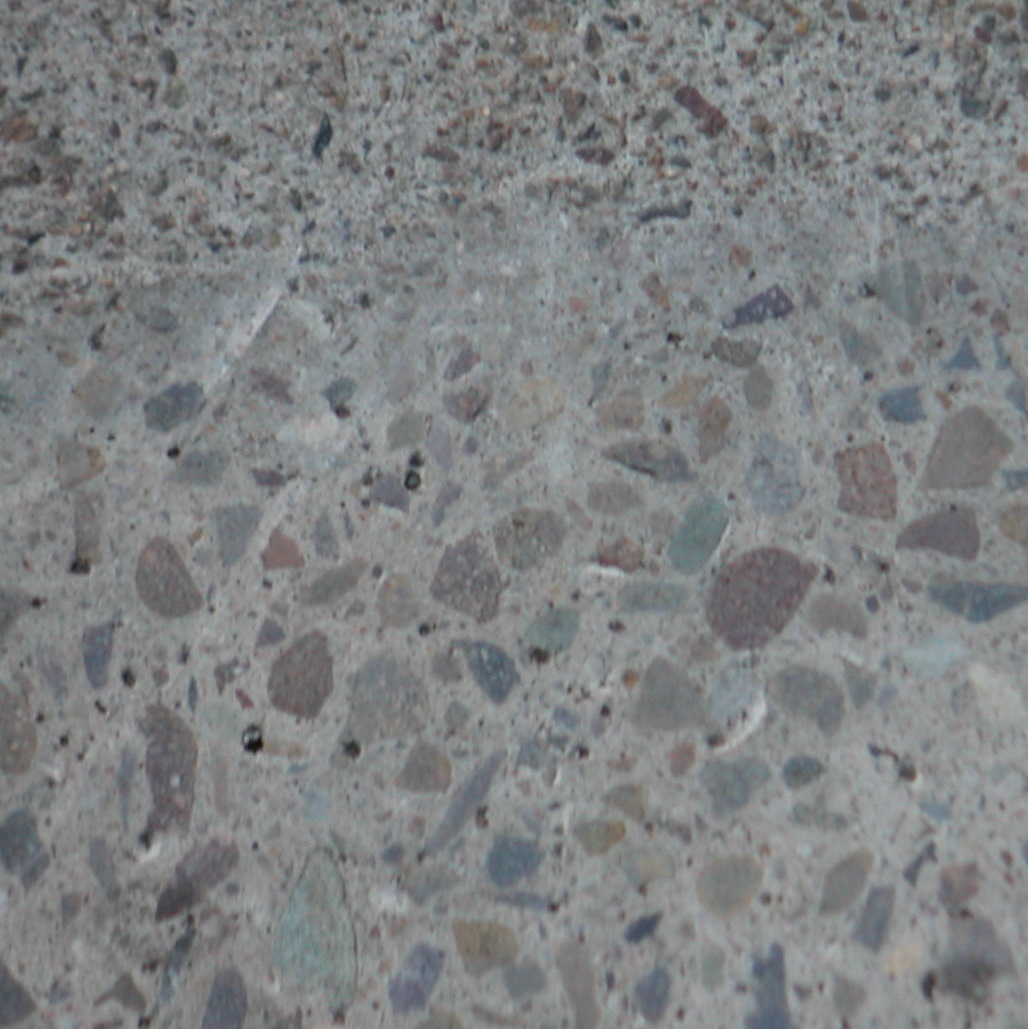
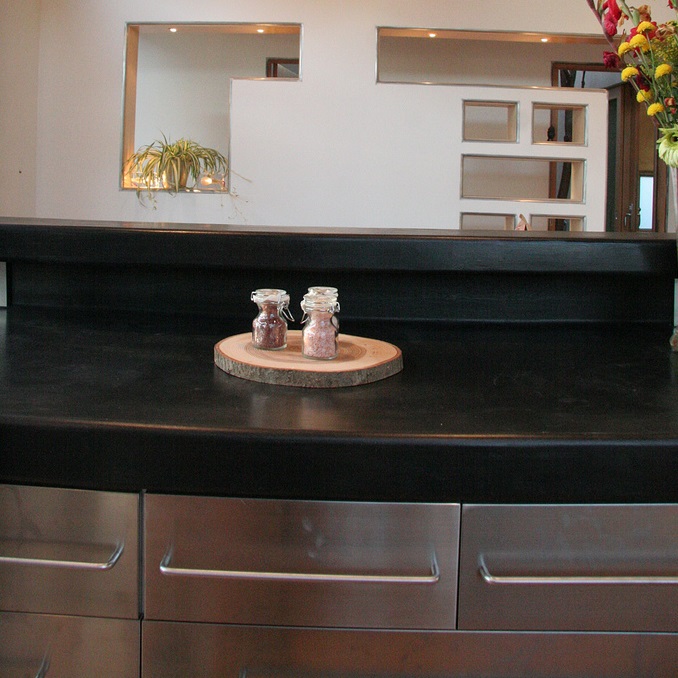
Concrete is essentially a building material that is produced by mixing a load of broken up gravel, cement, water, & sand which is then molded into a variety of forms and hardened. In the case of concrete as a countertop material, many other elements can be added such as pieces of glass and other decorative items.
[one_half]
Pros:
- Versatile
- Can be molded into a variety of different shapes and sizes
- Can be colored & polished to achieve many different looks
- Heat resistant
- Resistant to most household chemicals
[/one_half]
[one_half_last]
Cons:
- Chips and cracks can happen easily
- Installation is tricky and very costly
- Concrete is a porous material that can stain relatively easily
- Patterning tends to be inconsistent
- Must be waxed every 3 months to protect a covered sealant
- Color is susceptible to fading over time
- Scratching is a real possibility
- As expensive as granite without the durability
[/one_half_last]
[divider][/divider]
Glass Countertop Pros and Cons
[one_half]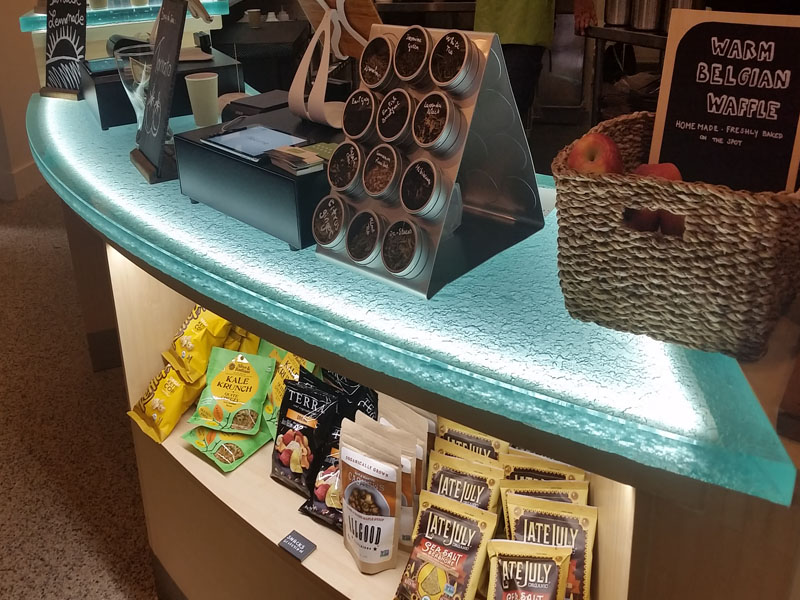 [/one_half][one_half_last]
 [/one_half_last]
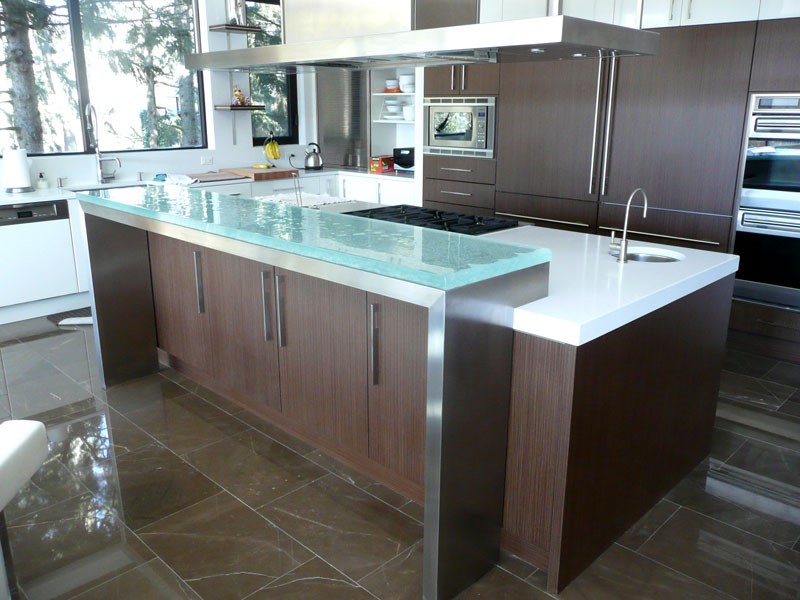
Glass countertops are the specialty of CBD Glass, made from melted sand and silica, glass is a fantastic countertop material because of it’s elegance, versatility, and beauty. They can also be customized using LED underlighting and a variety of different colors.
[one_half]
Pros:
- Versatile, easy to form shapes with
- Can create unique layers to add lighting, space, or artwork
- Non-Porous
- Heat Resistant
- Low Maintenance and Easy to Clean
- Various textures to choose from
- Highly Customizable
[/one_half]
[one_half_last]
Cons:
- Finding High quality glass manufactures may be difficult
- Expensive
- Repairs may be difficult
- Sharp objects may scratch surface
[/one_half_last]
To learn more about how glass countertops stack up against other materials, contact us today!
Glass Countertops for Retail
- At December 15, 2015
- By mike
- In Countertops
- 0
Our glass counters and glass countertops are world renowned for their beautiful, unique, and functional design. However most people think of our glass counters for kitchen & bathroom purposes. Our unique glass counters are also perfect for retail uses and commercial uses as well. Some of the more popular retail uses are for cafe’s and bars, as well as many high-end boutiques and store fronts. Let’s look at some examples of our glass counters being used in retail:
#1 – Cafe Counter


The above example comes from the Three Buddhas cafe in San Francisco, if features our Melting Ice texture with Cool White LED underlighting.
#2 – Restaurant/Bar


The above examples show how fabulous our glass counters can look when being used as bar tops for restaurants, bars, and lounges.
#3 – Storefront/Retail


The above examples show our unique glass countertops used in retail/storefront locations. The middle example for “Chernaya Bridal House” also shows an example of our magnificent glass signage paired alongside.
There you have some incredible examples of our counters being used in retail and commercial locations. If you’re interested in learning more about our glass counters for residential or commercial use please contact us today!