
Commercial Glass Bar Tops by CGD Glass
- At April 15, 2015
- By mike
- In Countertops
 0
0
We here at CGD Glass have noticed a big trend towards glass bar tops being used in commercial spaces, specifically high-end restaurants, nightclubs, & bars. The appeal of having glass as the bar top material for a commercial space is extraordinary because of ease of cleaning and the gorgeous appeal the material brings to the space. Below we will go through some of our recent Commercial Glass Bar Tops projects.
Del Monte, California High-End Restaurant
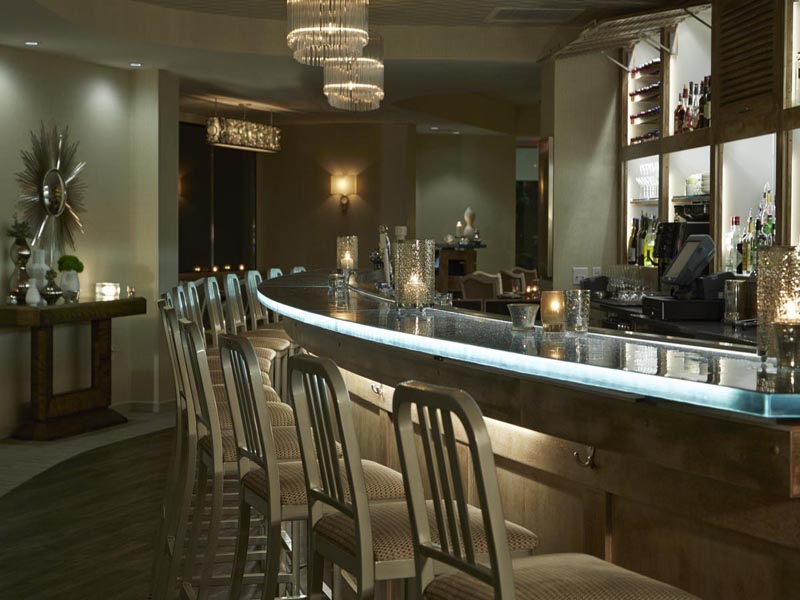
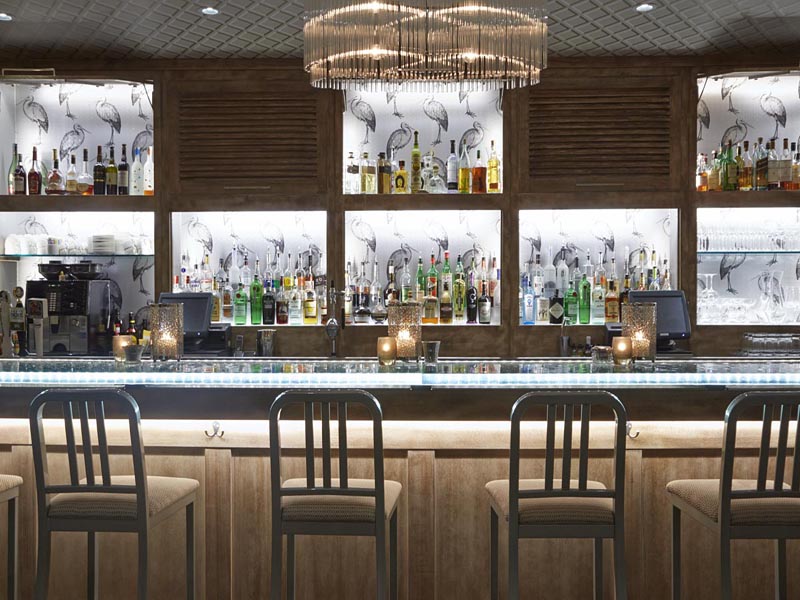
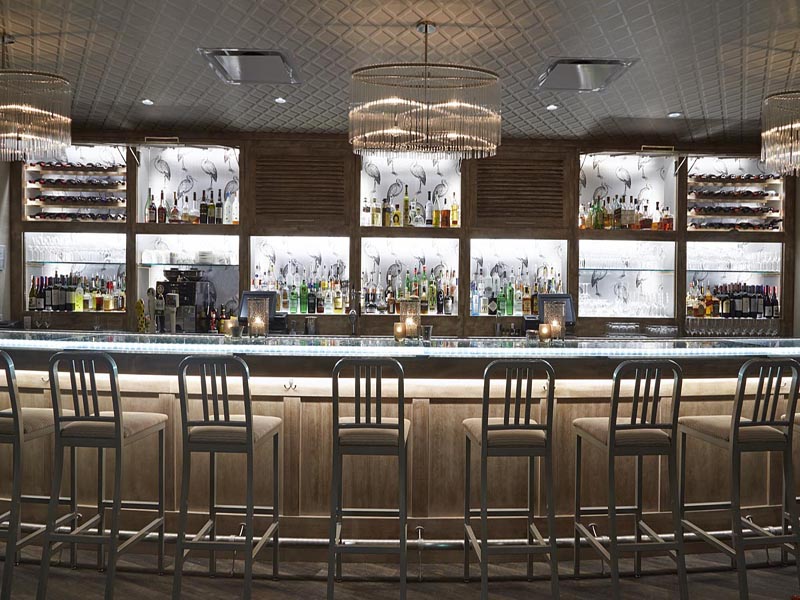
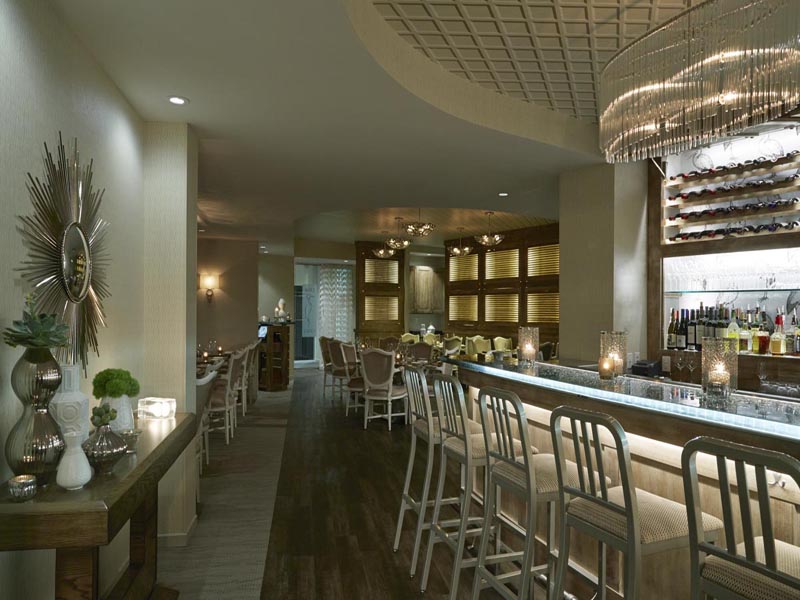
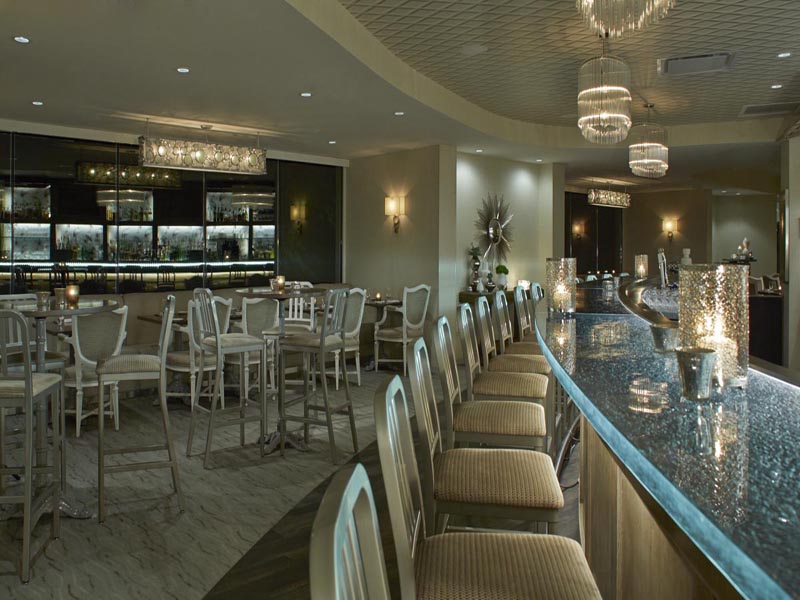
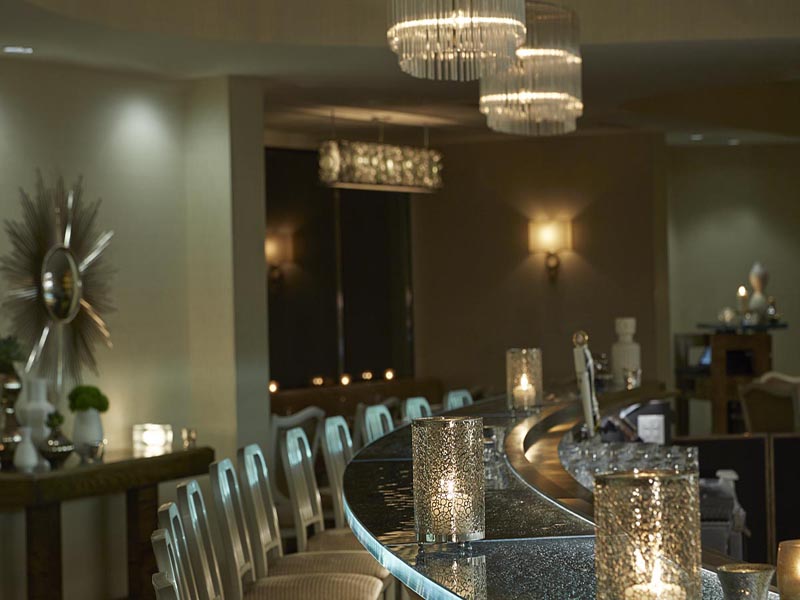
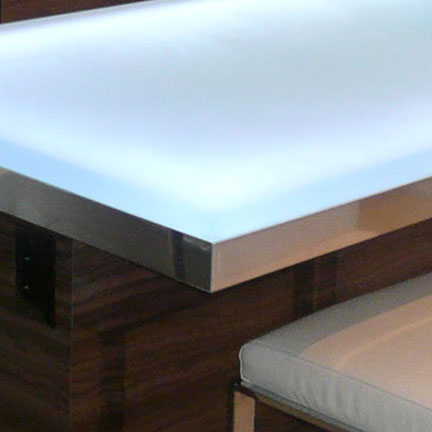
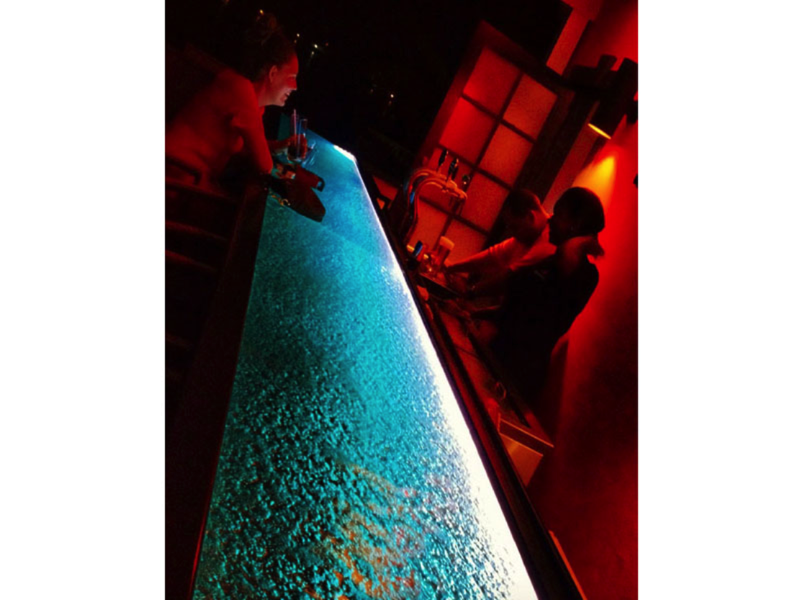
This was a custom bar top built for a gorgeous high-end restaurant and bar near Monterrey, California. The glass type is our signature Ultra Clear Glass with 1 ½” thickness and the melting ice texture. It also has custom LED lighting under the bar top.
Nassau, Bahamas High-End Pub
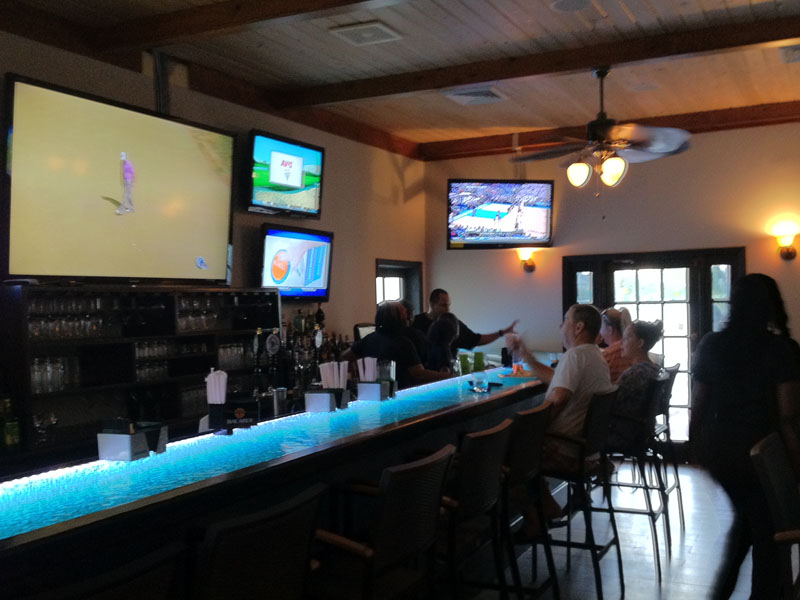
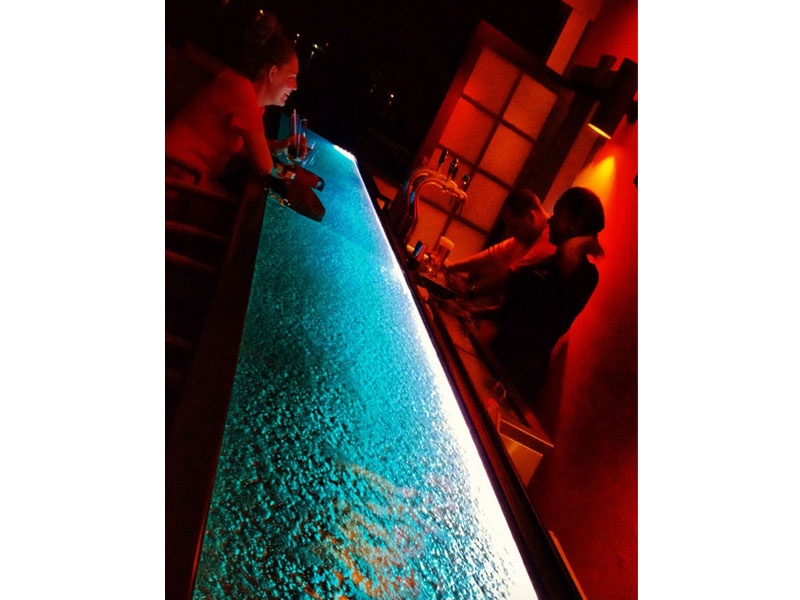
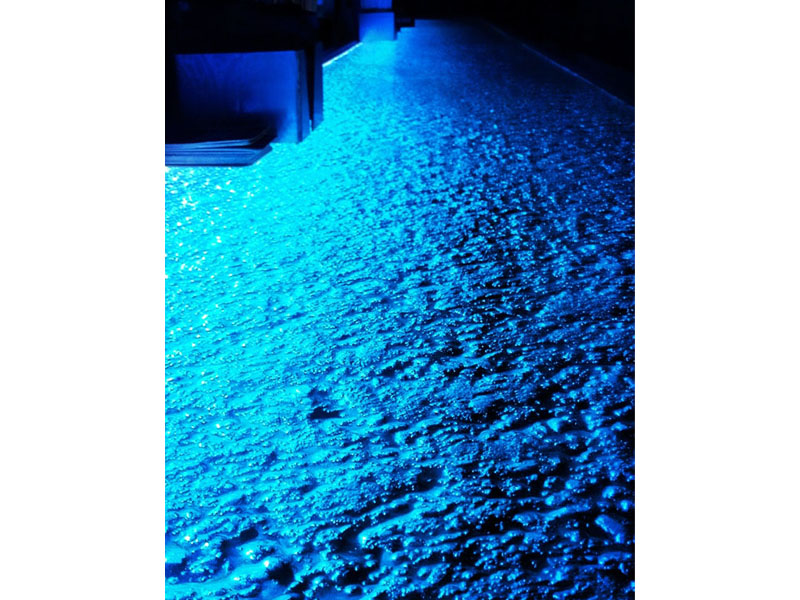
This beautiful custom bar top was created by CGD for one of our clients in the Bahamas looking to bring a beautiful centerpiece to their bar. This bar top features our Aqua Clear Glass with ¾” thickness and our melting ice texture. It is also equipped with LED lighting.
Toronto, Canada High-End Restaurant
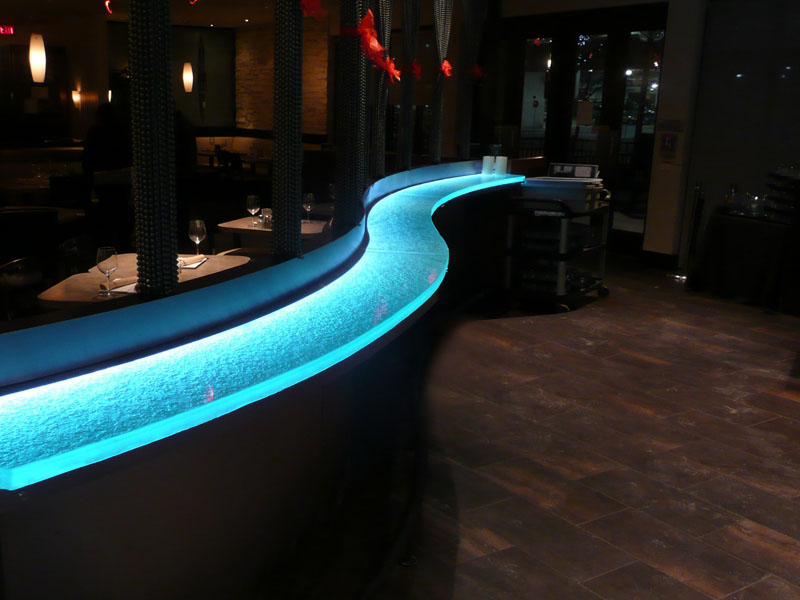
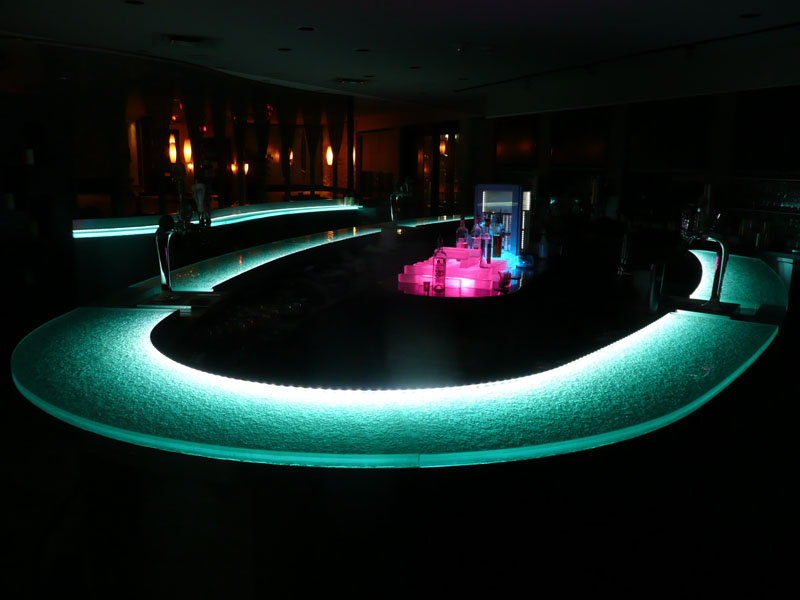
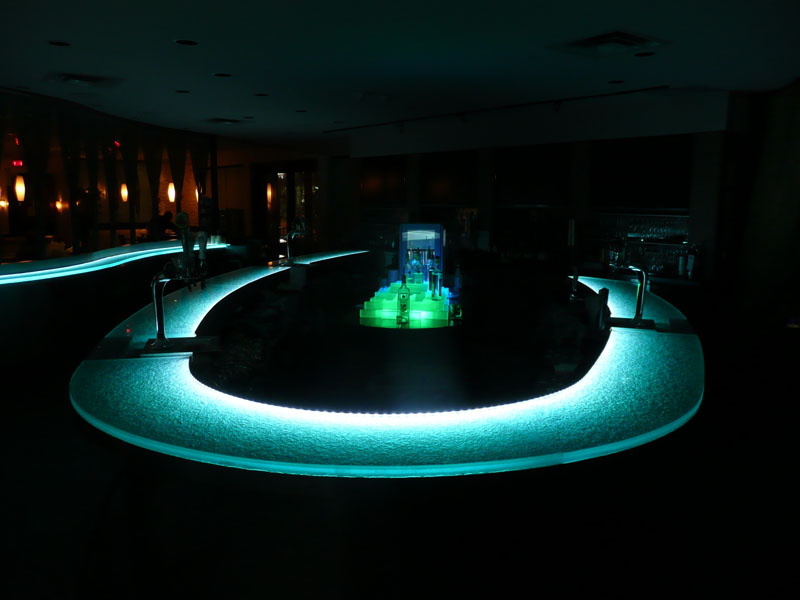
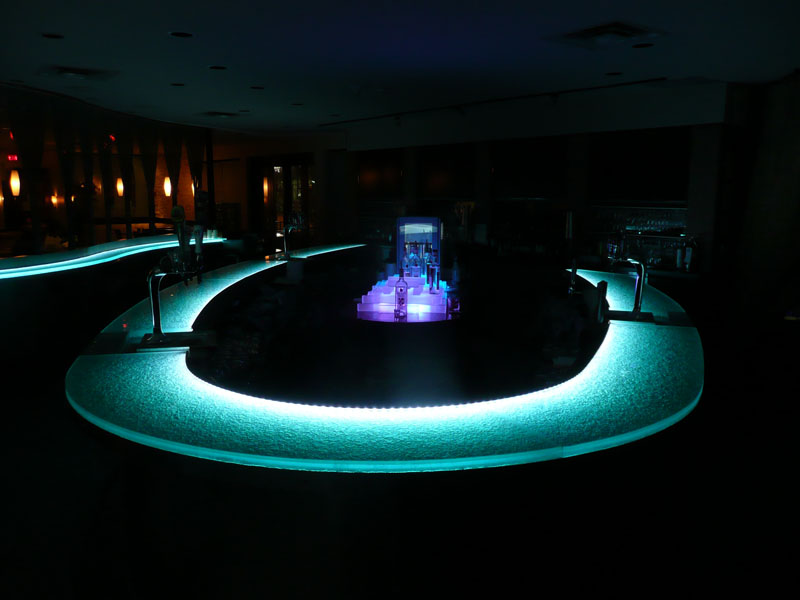
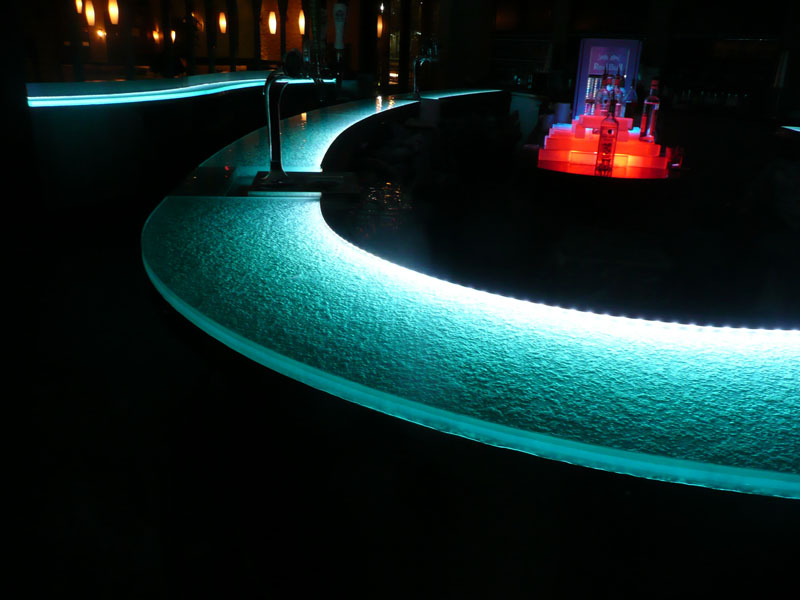
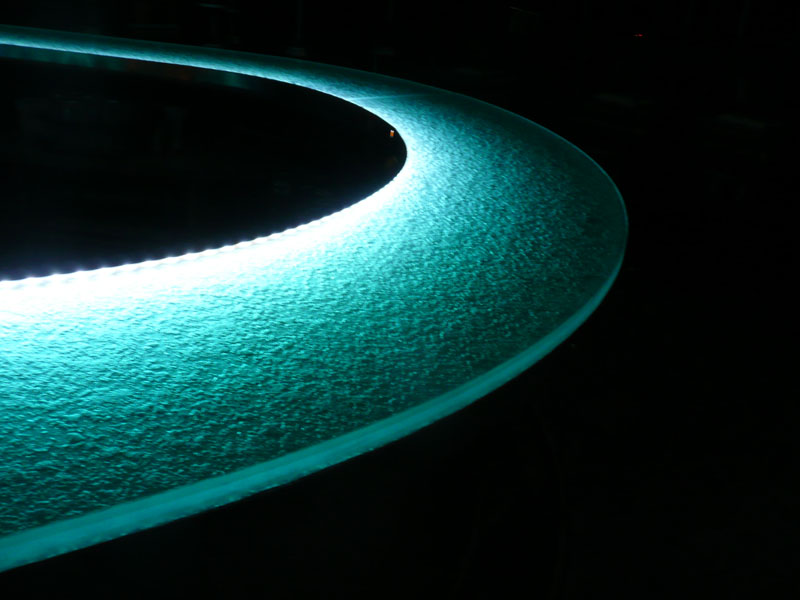
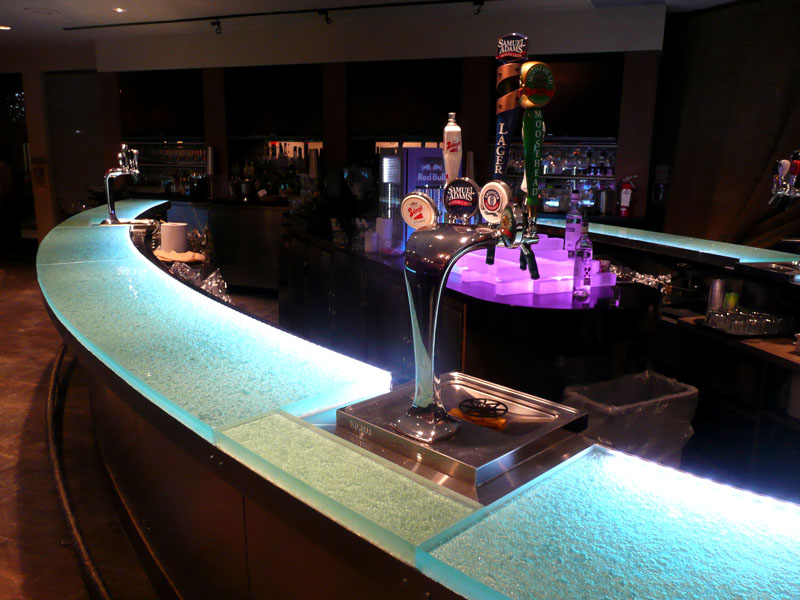
This bar top was created by CGD for one of our clients high-end restaurants in Toronto (where our headquarters are located) and features some beautiful accents. This bar top was made with our Aqua Clear Glass with 1 ½” thickness and our very popular melting ice texture with our signature under-lit LED lighting.
This is just a small portion of some of the gorgeous commercial bar tops we produce here at CGD Glass, for more info on our glass bar tops or any of our glass countertops contact us today!
Glass Countertops for Bathrooms by CGD Glass
- At March 30, 2015
- By mike
- In Countertops, Uncategorized
- 0
CGD Glass has made a name in the interior design industry for our custom glass countertop designs. Our stunning glass designs have been featured in homes, offices, restaurants, & even full-scale commercial projects. Although many people associate our designs with glass kitchen countertops we also produce some gorgeous glass countertops for bathroom use. Many of the same reasons that make glass so popular in the kitchen also make it a popular choice for bathroom countertops as well. Some of these reasons include a clean & modern feel, hygienic superiority, ease of cleaning, & of course the elegant design.
Let’s take a look at some of our custom glass bathroom countertop designs:
#1 Aqua Clear Glass 1″ with Above Counter Sinks
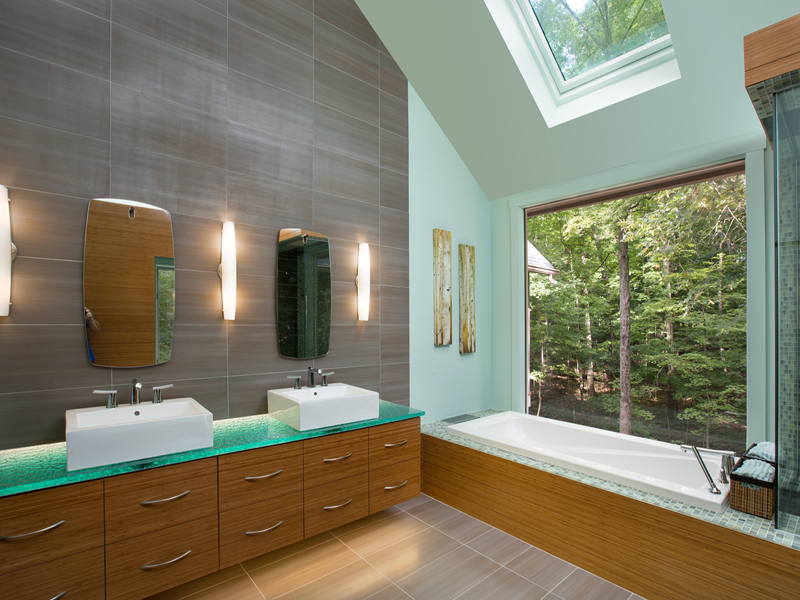
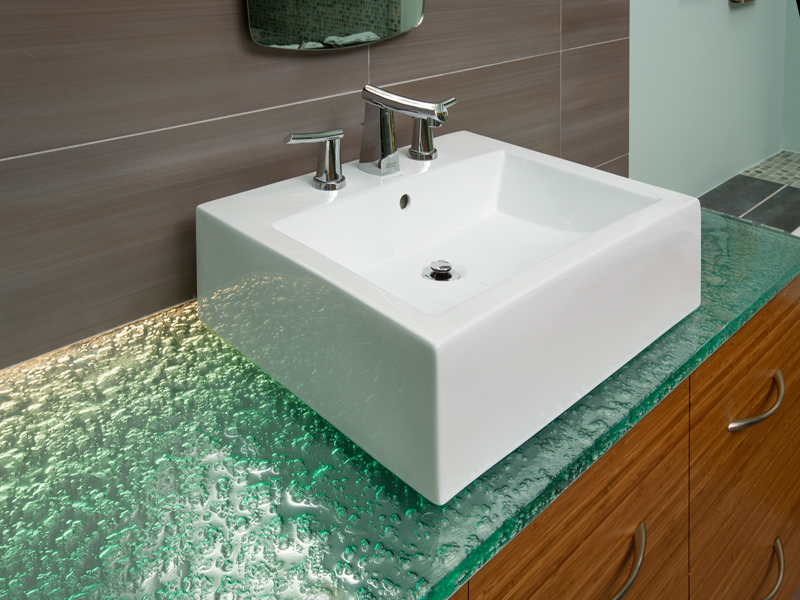
The natural blue green tones of this counter top bring out the open feel and look of this gorgeous bathroom space.
#2 Aqua Clear Glass 1 1/2″ with Above Counter Sinks & LED Lights
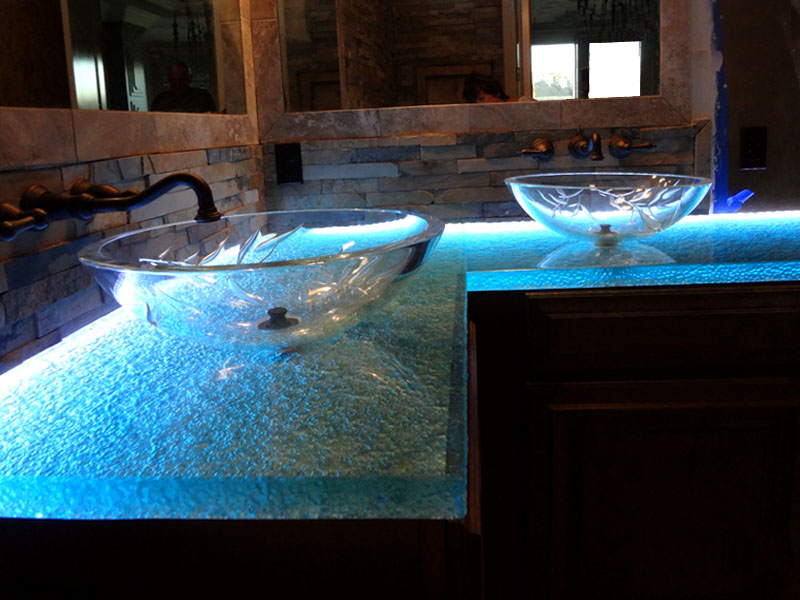 This beautiful counter top features aqua clear glass, 1 1/2″ glass, our “melting ice” glass texture, & textured edges to complete the look.
#3 White Onyx Glass 1 1/2″ with Under-mount Sinks
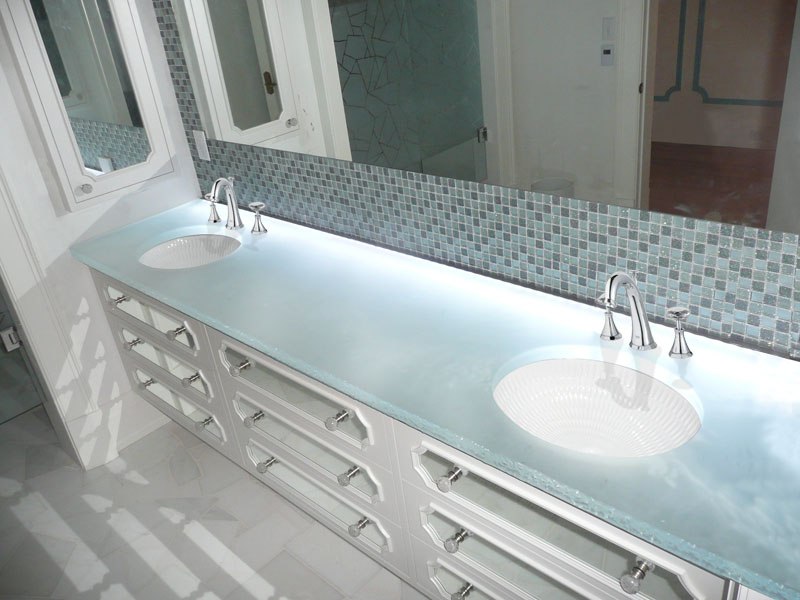
This bathroom counter top features our signature white onyx glass, 1 1/2″ glass, & texture edges. The open white feel of this bathroom gives a classy, clean look to this bathroom.
#4 Ultra Clear 1 1/2″ with Steel Raised Substrate & LED Lights
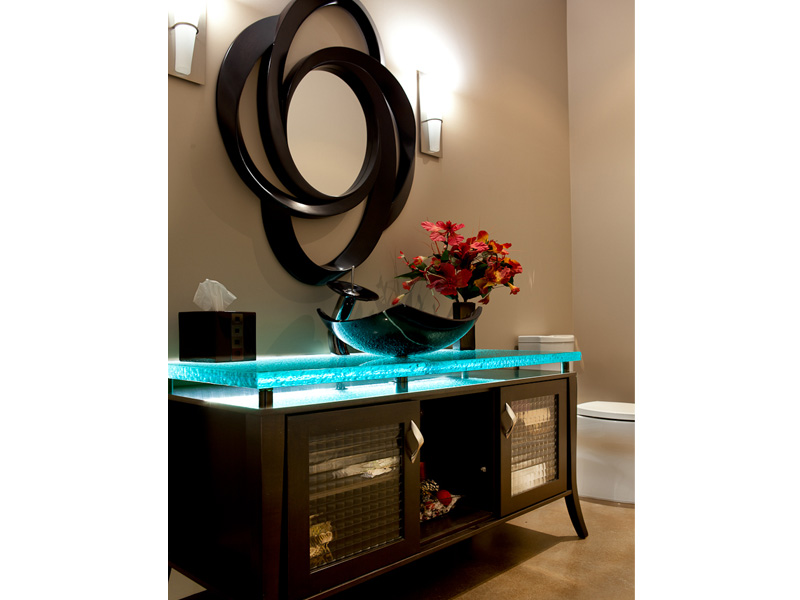
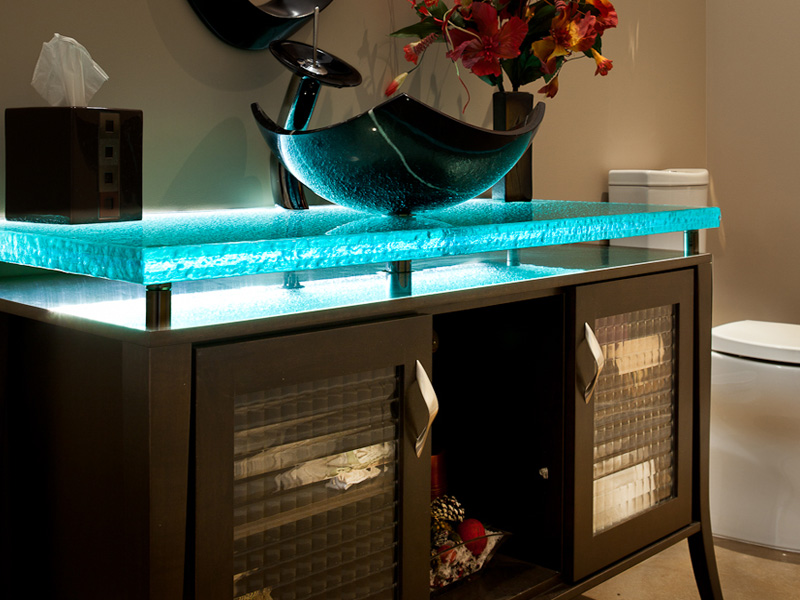
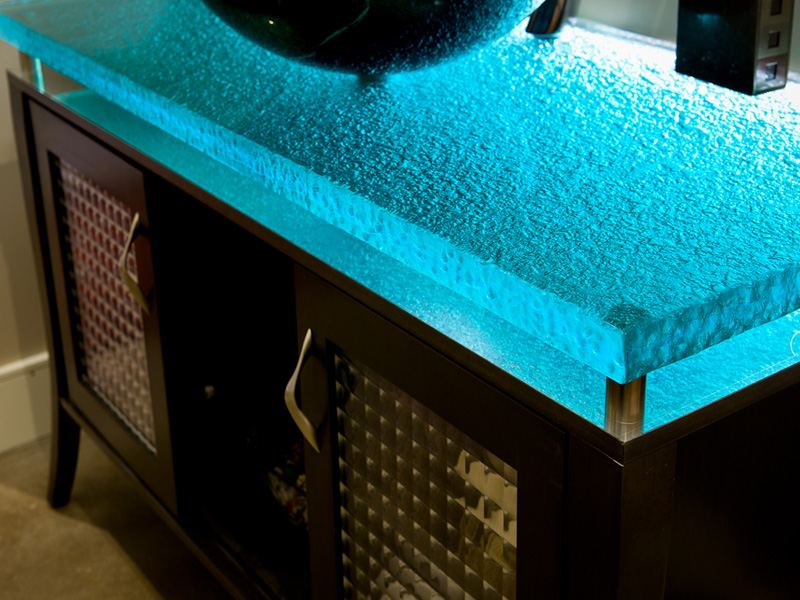
This stunning counter top features our melting ice texture, textured edges, LED lighting, & 1 1/2″ glass. It is also the highlight of this modern bathroom.
If you’re interested in getting a glass bathroom countertop or just looking for more info contact us today!
6 Popular Glass Countertop Types
- At March 18, 2015
- By mike
- In Countertops
- 0
Glass as a countertop material is exploding in popularity. The popularity of glass countertops has increased mostly in kitchen uses but they also have many uses in commercial and residential spaces. Some of the most popular types of glass countertops are kitchen, raised, island, bathroom, bar, and even table tops. Below are some examples and different types of glass countertops throughout your home and some great examples of CGD’s amazing designs!
Glass Kitchen Countertop
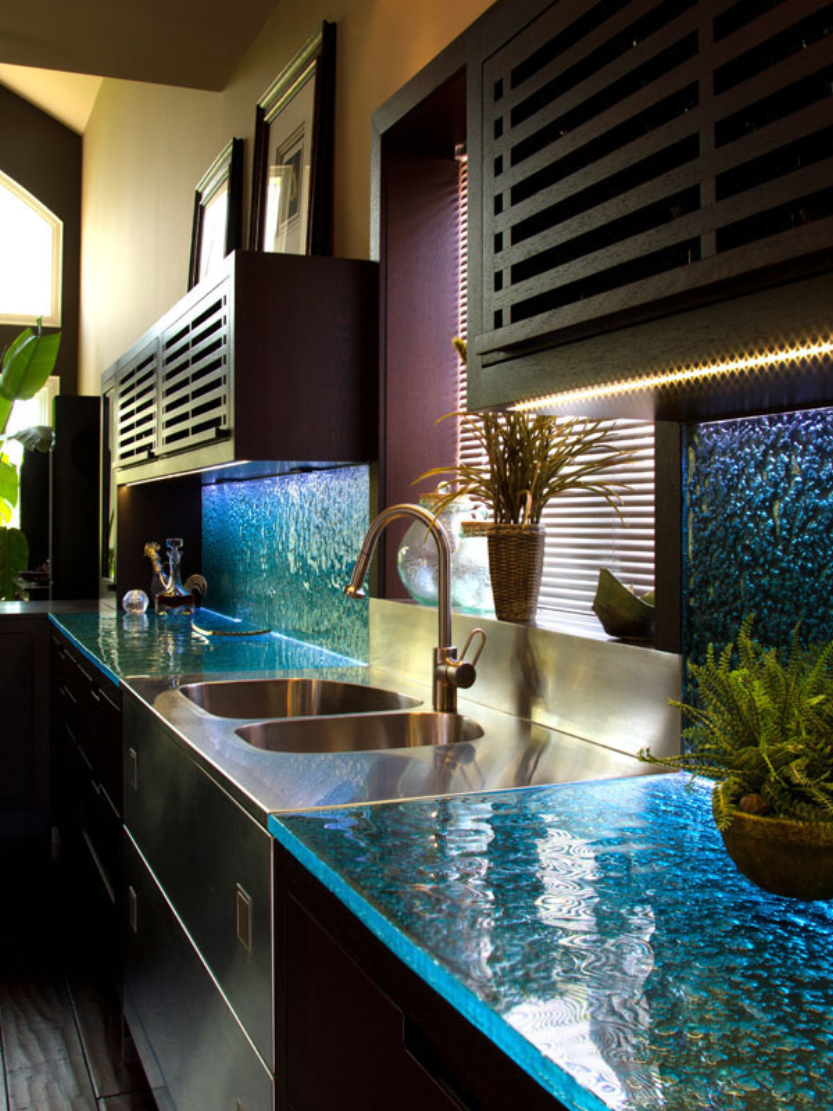
CGD’s Thermoformed glass kitchen countertops are a great example of how each countertop can be uniquely designed. Our Kitchen Countertop designs can supplement your homes design and bring out some beautiful qualities around your kitchen. CGD Glass can be shaped to your wants and needs and we enjoy designing beautiful unique pieces for each of our clients. Popular for its simplicity, this piece doesn’t take away from the simple design and manages to add a modern look and feel.
[divider] [/divider]
Raised Glass Countertop
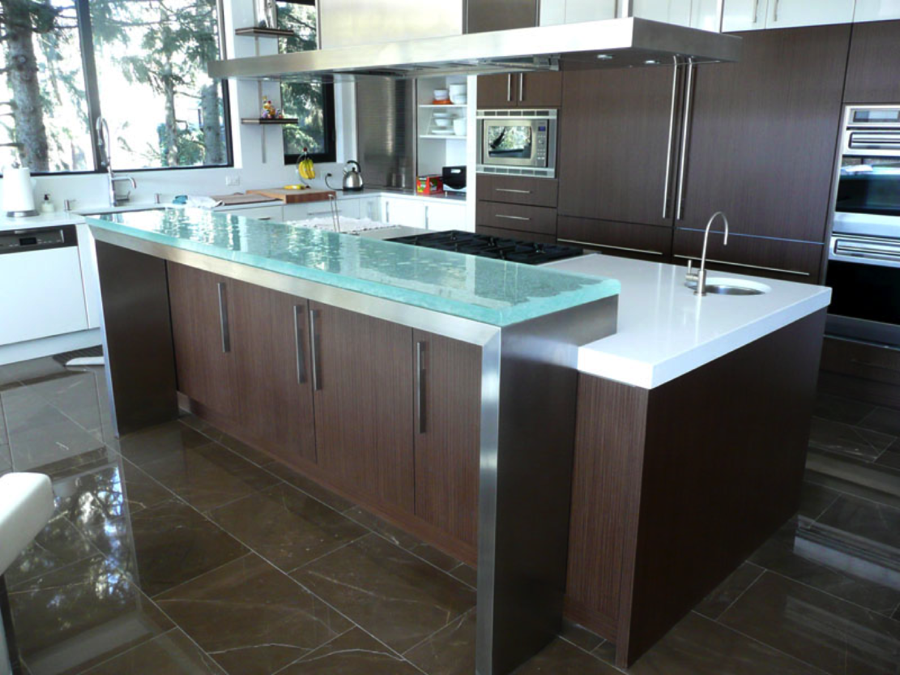
Here is an example of how beautiful a raised glass countertop may look in your home. This design adds style and class to what is just a simple countertop. Raised glass is as strong as any of our other styles and can be added to an existing countertop, regardless of material. Add contemporary style to your kitchen with a raised glass countertop, these are popular for their aesthetically pleasing design and extra table space available by extending the raised countertop further than the countertop itself.
[divider] [/divider]
Glass Kitchen Island Countertop
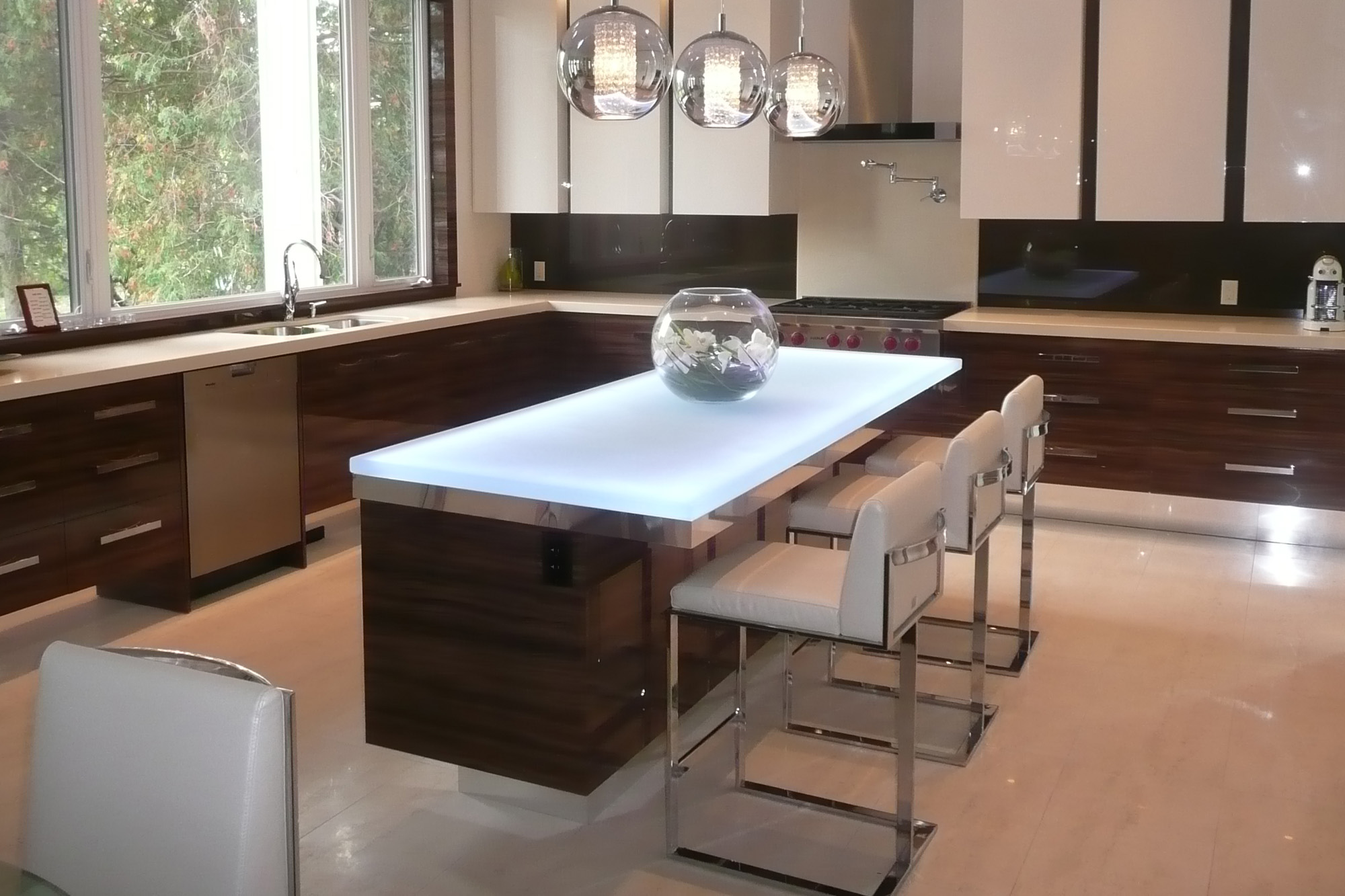
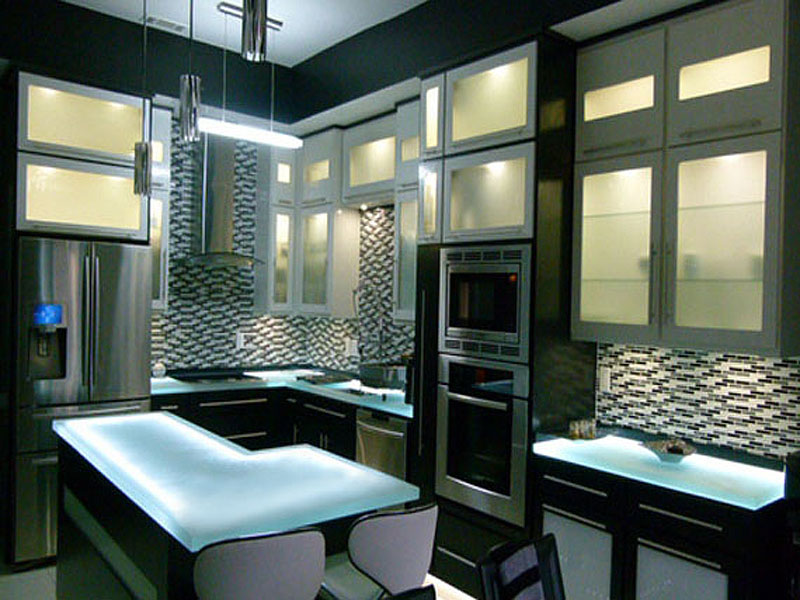
The most popular place for a glass design is the Glass Kitchen Island Countertop. Glass is an amazing material that works great for the kitchen area because it is a non-porous material that allows for easy cleaning and a sleek flat surface. The LED lights are very popular in kitchens because they emit a low light while adding a pearl white tone to your Glass Island Kitchen Countertop.
[divider] [/divider]
Glass Bathroom Countertop
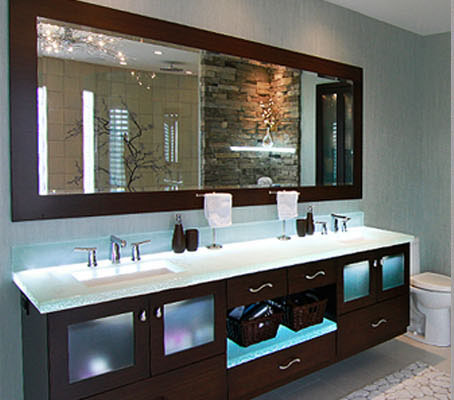
One popular way to complete your Bathroom is a wonderful Glass Countertop. Our Aqua Clear and Ultra Clear Glass are very popular in the bathroom because they add to the shower/bathroom feel. Textured glass with LED Lights is a great example of how one can add a certain look and feel to your bathroom design.
[divider] [/divider]
Glass Bar Countertop
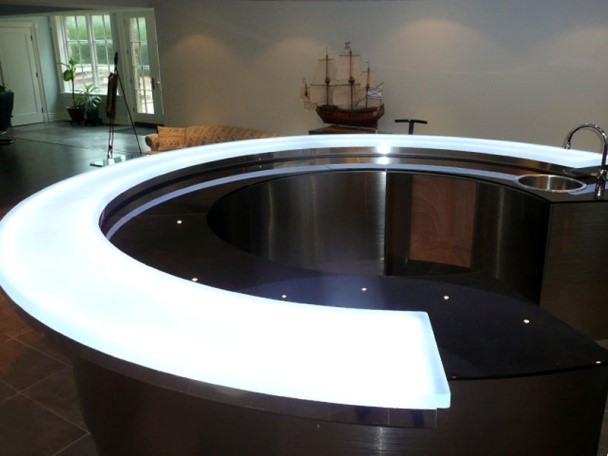
Glass bar tops are most popular in commercial projects and some larger residential projects. Glass Bar tops are typically requested for restaurants and bars, but occasionally are custom made for some larger home-based projects. Drinks will of course spill on your bar top, but having a glass bar top will make it easier to maintain as well as clean.
[divider] [/divider]
Glass Table-Top
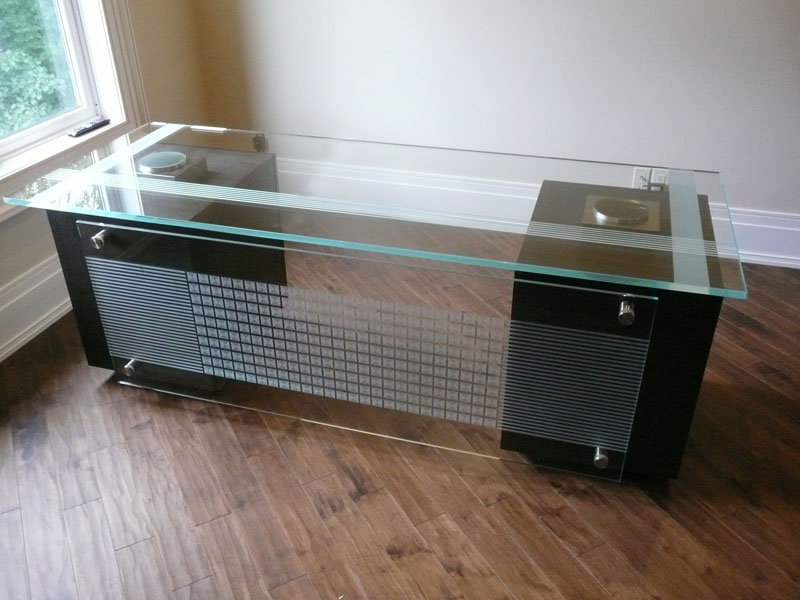 Glass table tops are most popular in your study space or work space at home. Glass has a clean feel and allows for one to focus completely on whatever is in front of them. Whether studying, drawing, working or writing you want to have a clear space and mind to work with. Glass is the perfect table-top material for your work space and are available at CGD with nearly any customization!
9 Reasons Why Your Bar Top Should be Glass
- At March 02, 2015
- By mike
- In Countertops
- 0
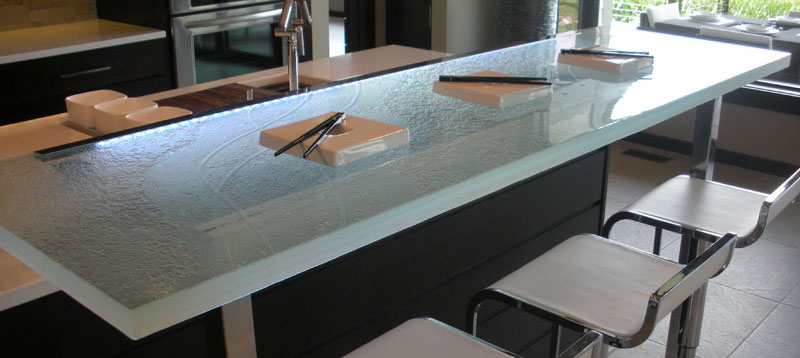
There are many options when choosing a material for your Bar Top but in this post we’re going to go over why glass should be your number one choice. Glass has many unique properties which make it an optimal choice for any countertop, but the material lends itself especially well for Bar Tops. Bar Tops are typically known as being a place of disaster, whether it is spilled or condensing drinks or just left over grease, glass will be much easier to clean than other materials. Below are 10 Reasons why your Bar Top should be Glass:
- Glass is easy to clean
- Glass usually has a flat surface which allows for easy cleaning
- Textured Glass will also be easy to clean because of the surface being non-porous
- Glass does not absorb liquids
- Glass is a Non-Porous material (Meaning it does not have openings like a sponge)
- Glass is water resistant and most accidents can be cleaned with just a paper towel
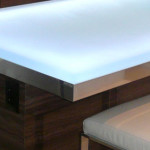
- Glass typically has a flat surface
- This gives a bar top a modern look and feel
- Allows glass to shine when clean
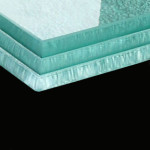
- Glass is durable
- Glass Bar Tops are single piece glass slabs which are made very durable
- Glass is a dense material
- Raised Bar Tops are possible because of glass’s durability
- Glass can be made stronger
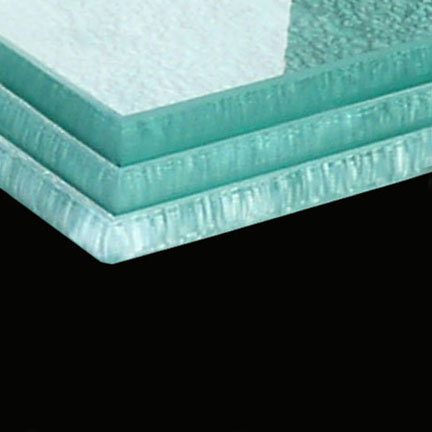
- Glass can be made anywhere from a ½inch thick to 2inches thick
- Glass can be infused with other materials in order to be made stronger
- The Properties of glass are changed during the production process in order to produce a stronger form of glass.
- Glass doesn’t stain easily
- Glass is nearly impossible to stain, the non-porous surface doesn’t allow for any liquids to further absorb into the glass
- Most stains are not permanent the surface of glass can be buffed out or simply wiped off.
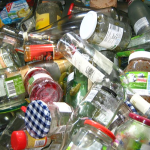
- Glass is completely recyclable
- Glass materials are 100% recyclable
- No material is lost during recycling
- Glass comes from sand and can be melted into glass
- Color sorting at Recycling Facilities provides jobs around the world
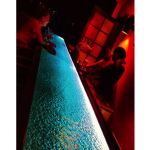
- Glass is a hygienic material
- Glass is considered to be a hygienic material by the food industry
- Its water-resistant surface makes an easy clean
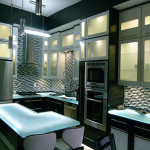
- Glass is unique!
- Glass is a unique naturally made material
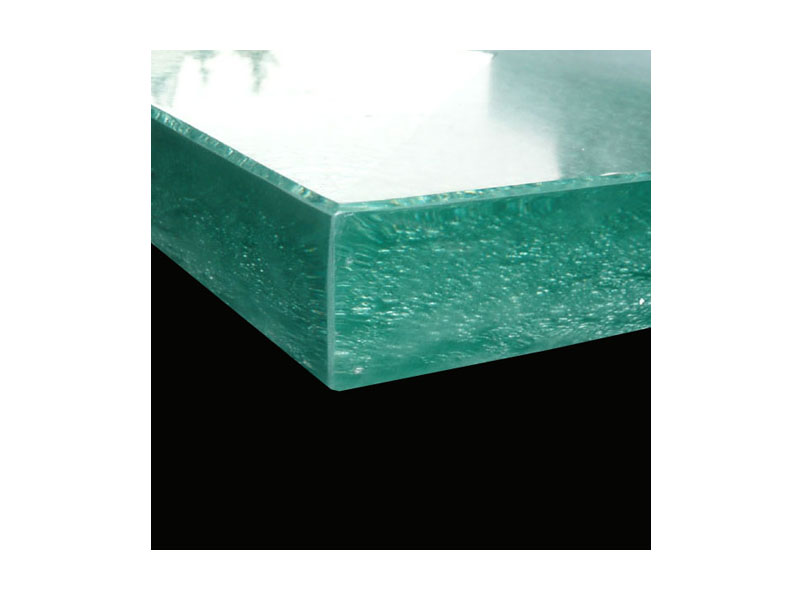
5 things that won’t happen to your Glass Countertop Design
- At February 16, 2015
- By mike
- In Countertops
- 0
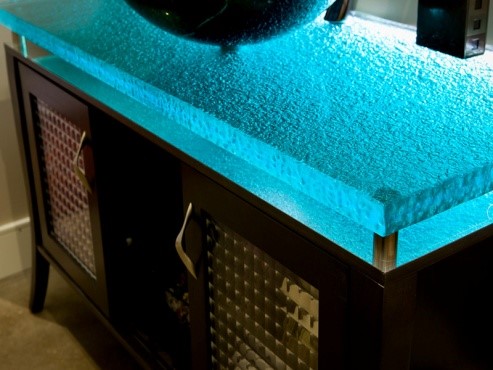
While researching glass countertops you may have ran into some bias & myths towards glass. Much of this is based on general glass and does not apply to the quality of our thermoformed glass countertops. Let’s go over some of the common things that people believe about glass countertops that definitely will not happen to your CGD Glass Countertop.
Glass will not break easily
The durability of glass is always in question. However, here at CGD we work hard to infuse glass with the right properties in order to obtain higher durability. The thickness of glass is also relative to its durability, the thicker the glass the more durable the less thick the less durable. For designers using glass we recommend buying thicker glass for heavily used areas in your home and less thick glass is required for lesser used areas.
Glass will not be difficult to clean
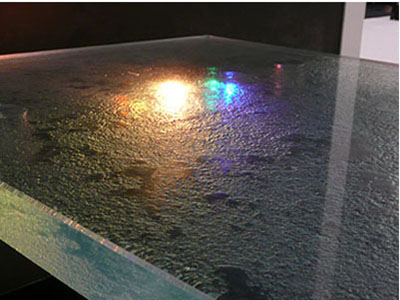
Glass is easy to clean due to its non-porous surface, this flat surface cannot absorb most harmful solvents, chemicals or products. A Glass Countertop will be a much easier to clean than other porous materials you could choose from.
Glass will not bend over time
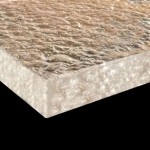
Though glass is an amorphous solid, (A solid that morphs over a long period of time) it will not bend but rather distribute its weight because of gravity over a very long period of time. It was believed that glass was a liquid in a solid state but it is actually a solid with liquid like properties. This just means that glass is solid at normal temperatures but can be superheated into a liquid form.
Glass will not stain

Glass is a non-porous material which will not absorb liquids and solvents easily. The less porous a material is the more likely will repel stains from other products. This makes glass a great choice for your kitchen design, this is where the most mistakes can happen which require the most attention. So keep in mind while designing your glass that nonporous material will bounce back from most stains with little to no trouble.
Glass will not lose material during recycling

One of the biggest plusses in the glass industry today is the ability to fully recycle glass materials. Glass is a unique natural resource which can be re-melted and re-shaped for other uses. With almost little to no difference besides color differences, glass can be melted together to form a brand new design or product.
Glass is a unique material which provides natural aesthetics throughout your home. The sleek material gives any house a clean look as well and easy cleaning. We recommend looking through our portfolios and projects for more ideas. For more information contact us at: (416)-398-9733